
biodiversity guide
Biodiversity of Moalboal
The plants and animals that make the town worth protecting, from mangrove-lined shores and Tañon Strait marine life to the coconut-farm birds and reptiles inland.
Most-observed species on iNaturalist
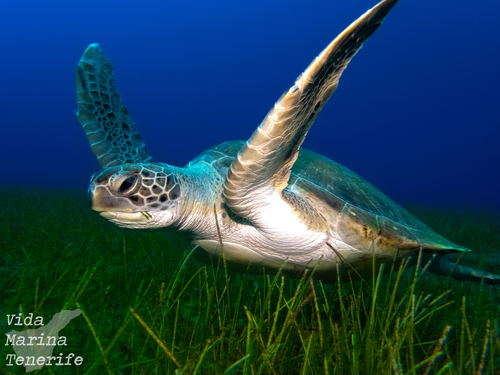
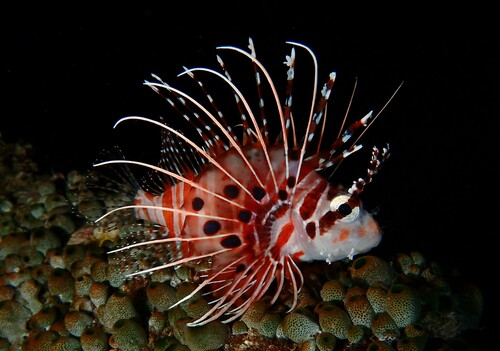
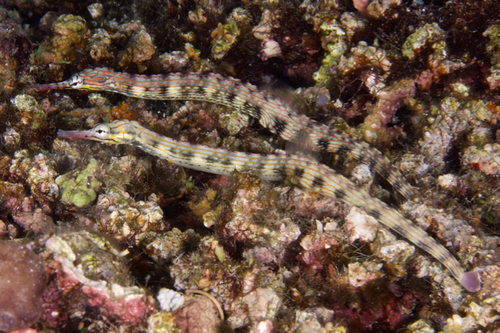
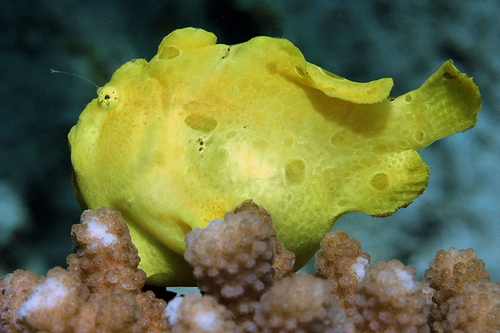
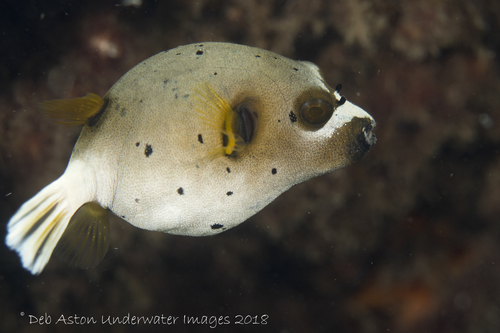
Moalboal is best known for what happens underwater, but the town’s biodiversity is bigger than the sardine run. The municipality sits on the Tañon Strait, the country’s largest marine protected area, and its shoreline still carries fringing mangroves, seagrass beds and reef flats that support life long before it becomes a dive-boat photograph. Inland, coconut smallholdings, limestone outcrops and second-growth scrub carry a quieter, less-photographed set of species.
The Tañon Strait sets the baseline
The strait between Cebu and Negros was declared a protected seascape in 1998 and remains the Philippines’ largest marine protected area. Its depth and currents draw wide-ranging animals rather than just reef residents: manta rays, at least 14 species of whales and dolphins, and occasional sightings of dugongs and the chambered nautilus have been recorded here. Moalboal’s dive sites are a shop window onto this larger system, not a sealed-off attraction.
What lives on the reef
- The sardine bait ball. Dense, shifting schools that form close to Panagsama year-round, though their size and position shift with conditions.
- Green sea turtles. Regularly sighted resting or feeding close to shore, including near Panagsama Beach.
- Reef and macro life. Frogfish, moray eels, octopus, nudibranchs and a wide range of reef fish are consistently reported around the town’s house reefs.
- Occasional big animals. Thresher sharks and whale sharks are seen rarely and unpredictably, usually further offshore.
Four small municipal marine protected areas anchor this system: Saavedra, Basdiot and Pescador (each dating to the late 1980s and 1999) and Tuble (established 2007). Pescador Island itself was declared a marine park and fish sanctuary in 1990 and remains one of the best-documented dive sites in the town’s waters.
Mangroves and the coastline plants
A rapid resource assessment of Moalboal’s coastal barangays identified ten mangrove species along the shoreline, including several Rhizophora, Avicennia and Sonneratia species, plus Nypa fruticans (nipa palm). Saavedra recorded the widest mangrove diversity of the barangays surveyed, while Rhizophora apiculata and Sonneratia alba were the most widespread species overall. Seagrass beds sit close to these mangrove stands on the shallow reef flats, forming a working coastal system rather than a decorative fringe: mangrove roots hold sediment, seagrass feeds and shelters turtles and juvenile fish, and both buffer the reef from runoff.
Most-observed plants on iNaturalist


What lives on land
Moalboal’s populated coast is mostly coconut smallholdings, fishing barangays and second-growth vegetation rather than intact forest, so the animals seen day to day are the generalists of the Cebu lowlands: sunbirds, kingfishers, swiftlets, monitor lizards and fruit bats moving between garden trees and remaining tree cover. Cebu island’s rarer, forest-dependent endemics — species such as the black shama, the Cebu hawk-owl and the Cebu flowerpecker, along with plants like the Cebu cinnamon tree — survive in fragmented highland forest patches such as those protected within the Central Cebu Protected Landscape, well north of Moalboal. They are part of the same island’s natural history, but not animals a visitor should expect to encounter in town.
Seeing it responsibly
- Keep hands and fins off coral, sponges and mangrove roots; both recover slowly from contact damage.
- Do not chase, touch or ride turtles, and give any large animal (rays, sharks, dolphins) room to move away from you, not the other way round.
- Support dive operators and guides who brief on the marine protected area rules for the site you are visiting — the boundaries and rules differ between Saavedra, Basdiot, Tuble and Pescador.
- Treat a mangrove boardwalk or coastal path the way you would a reef: stay on it, and pack out what you bring in.
The animal everyone comes for is the sardine ball. The reason it keeps showing up is the much less photogenic work of mangrove roots, seagrass meadows and a strait-wide protected area doing their job.